
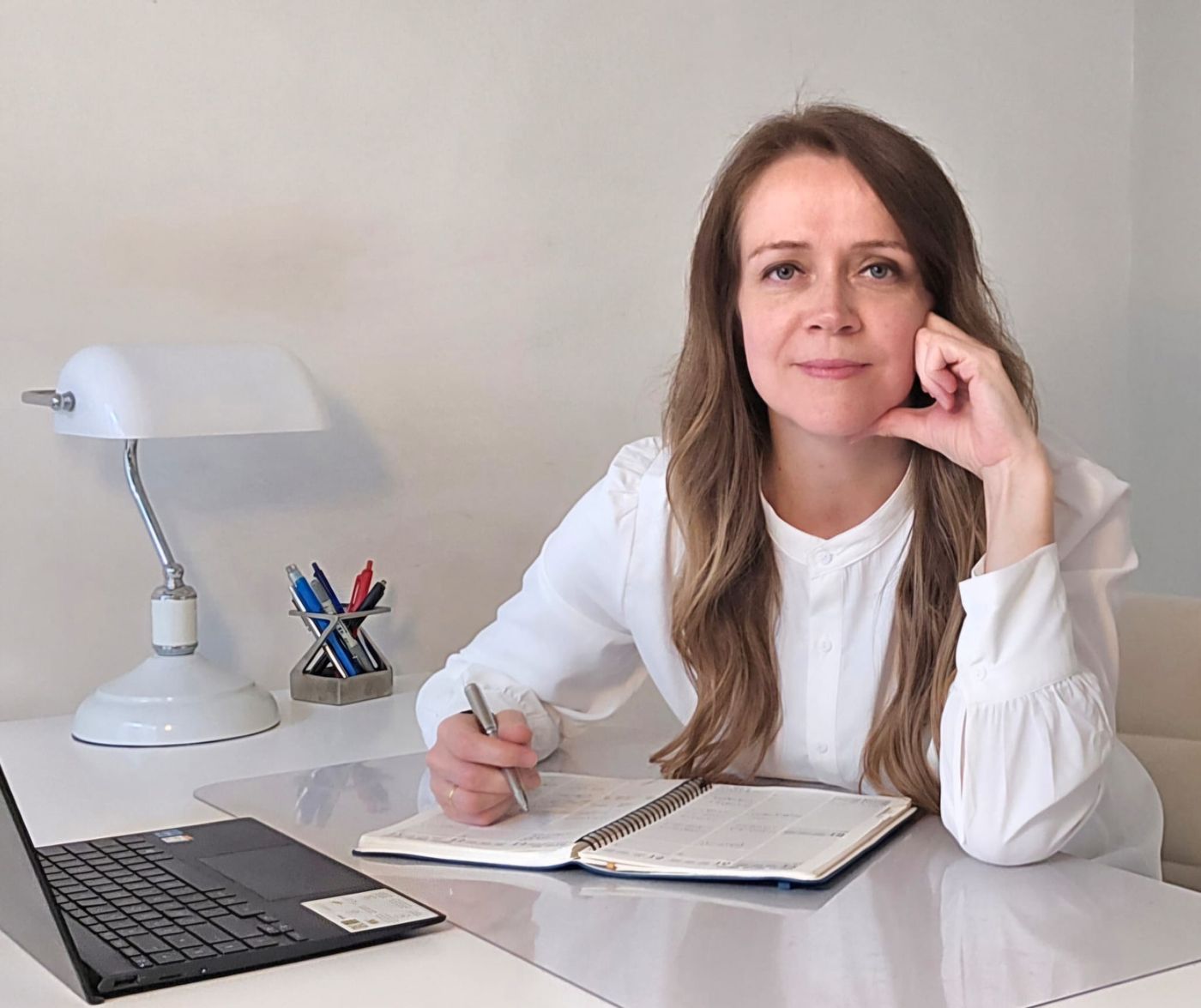
Chartered Psychologist in Paris
As an English-speaking Chartered Psychologist in Paris, I have always found psychology endlessly interesting. It offered me the possibility of a vocation in which understanding human behaviour could genuinely affect people’s lives for the better.
More than twenty years later, that curiosity remains an important part of how I work. I don’t assume that I know what an experience means to someone simply because I have encountered something similar before. I try to ask, clarify and understand the person in front of me: their experiences, their relationships, the ways they have learned to cope, and what they would now like to be different.
My work is grounded in psychological knowledge and clinical experience, but also in the belief that people need to feel safe, understood and treated with dignity and respect. I draw particularly on EMDR and DBT in my work, which you can read about on the Therapy page.

From forensic psychology to private practice
My interest in forensic psychology began while I was working in the community with people with learning disabilities. Some of the people I supported also had forensic histories, which affected both the way they were cared for and the opportunities available to them for recovery and community living.
This led me to complete a master’s degree in forensic psychology in 2005. In 2006, I began working as an Assistant Psychologist and subsequently trained as a forensic psychologist while working full-time within a medium-secure psychiatric service in Nottinghamshire, England. I completed my professional qualification and became a Chartered and Registered Forensic Psychologist in 2014.
I spent more than ten years working in UK mental health services, predominantly in secure forensic psychiatric care and mainly with women diagnosed with personality disorder and/or mental illness.
It was an incredibly affecting, difficult and rewarding environment in which to work. Although risk assessment, risk management and treatment were necessarily important, trauma repeatedly emerged as a significant factor affecting people’s mental health, relationships and behaviour.
The work also demonstrated the importance of safe and supportive relationships in helping people to recover and make changes. That understanding remains central to my practice today.
What that experience taught me
Working with people with complex psychological needs taught me the importance of clinical knowledge and competence. It also taught me that these are not enough on their own.
My forensic background also means that I am comfortable talking about experiences that people sometimes fear will shock or lead to judgement — including self-harm, suicidal thoughts, substance use, intense anger, shame or behaviours they find difficult to disclose.
I understand that life can sometimes feel so unbearable that the possibility of an end to suffering may feel like the only way someone can continue.
My aim is to understand what is happening rather than reduce somebody to a diagnosis, symptom or behaviour. Ways of coping that are now causing difficulties may once have served an important purpose.
Understanding that can be part of finding different ways forward.
Compassion, warmth, honesty, humour, integrity and validation all matter.
Safety, collaboration and change
I don’t assume that because someone has insight into their difficulties, they therefore know how to change them.
Nor do I assume that because someone maintains a career, relationships, a family or significant responsibilities, they necessarily feel safe or know how to manage overwhelming emotions.
From the first session, I work collaboratively with the person to establish their needs, identify specific goals and develop an effective therapeutic relationship.

An English-speaking practice in Paris
I moved from England to France in 2017 and established my private practice in Paris in 2018.
One of the things I have particularly valued about practising here is the opportunity to work with people from many different countries and cultural backgrounds.
Both the cultural differences and the very human similarities continue to inform my work. I try to notice and challenge my own assumptions and, rather than presume that I understand, to ask, clarify and learn.
Therapy that fits the person
People come to therapy with very different needs. Sometimes the work is relatively focused. Someone may want help with a particular difficulty or an upcoming event that is causing significant anxiety. In an international city such as Paris, I also work with people who know from the outset that they will only be here for a limited period, so our work may begin with an end date already in mind.
At other times, therapy is longer-term. I have worked with some people for a number of years, where ongoing support, trust and relational safety have themselves been important parts of the therapeutic process.
There is no single length or format of therapy that is right for everybody. We consider together what you need from therapy and continue to review whether the work is helping you move towards your goals.
Professional qualifications and registrations
I am a Chartered Forensic Psychologist and Associate Fellow of the British Psychological Society (BPS) and a Registered Practitioner Psychologist with the Health and Care Professions Council (HCPC). I am also registered to practise as a psychologue in France.
My professional experience includes psychological assessment, formulation and treatment across personality disorder, mental illness, trauma, learning disabilities and autism, alongside extensive experience of emotional dysregulation, self-harm, suicidality, anger, aggression, substance use and interpersonal difficulties.
In addition to therapy, I provide psychological assessment, professional supervision, consultation and reflective practice. I am registered with the BPS Register of Applied Psychology Practice Supervisors (RAPPS).